






Satire is fine so long as it doesn’t have a point of view
From the Washington Post:
LOS ANGELES — Posters that depicted President Bush with a Groucho Marx-style mustache and cigar were ordered torn down at a high school after a student complained.Theater students, who had created the posters to advertise a satirical play, countered with new posters with a First Amendment message.
Principal Kenny Lee ordered 100 posters removed from the campus of El Camino Real High School in the Woodland Hills area last week on grounds that they promoted smoking and “endorsing one ideology over another.”
“That’s our take on the student speech and conduct,” Lee said.
The school-funded posters advertised the students’ play, “The Complete History of America (Abridged),” which satirizes U.S. history.
I haven’t found a photo of the poster, so here’s my blind re-creation. (I’m sure the HS students have better PhotoShop skills than I do.)
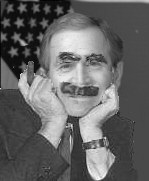
“I wouldn’t join any high school that would accept me as a student.”
Feel free to supply your own captions. [Technorati tags: bush freedom groucho]
Categories: Uncategorized dw

